SG works to make more AU buildings accessible to students with disabilities
Some buildings on campus are still inaccessible to students with disabilities, but that may change in coming years.
The recent expansion of the Student Conduct Code’s jurisdiction off campus stems from the University’s attempt to improve neighbor relations, pass the Campus Plan and prevent persistent off-campus misbehavior, according to AU officials. Revisions included an expansion of the Sexual Assault Policy and greater power for the University over off-campus students among others.
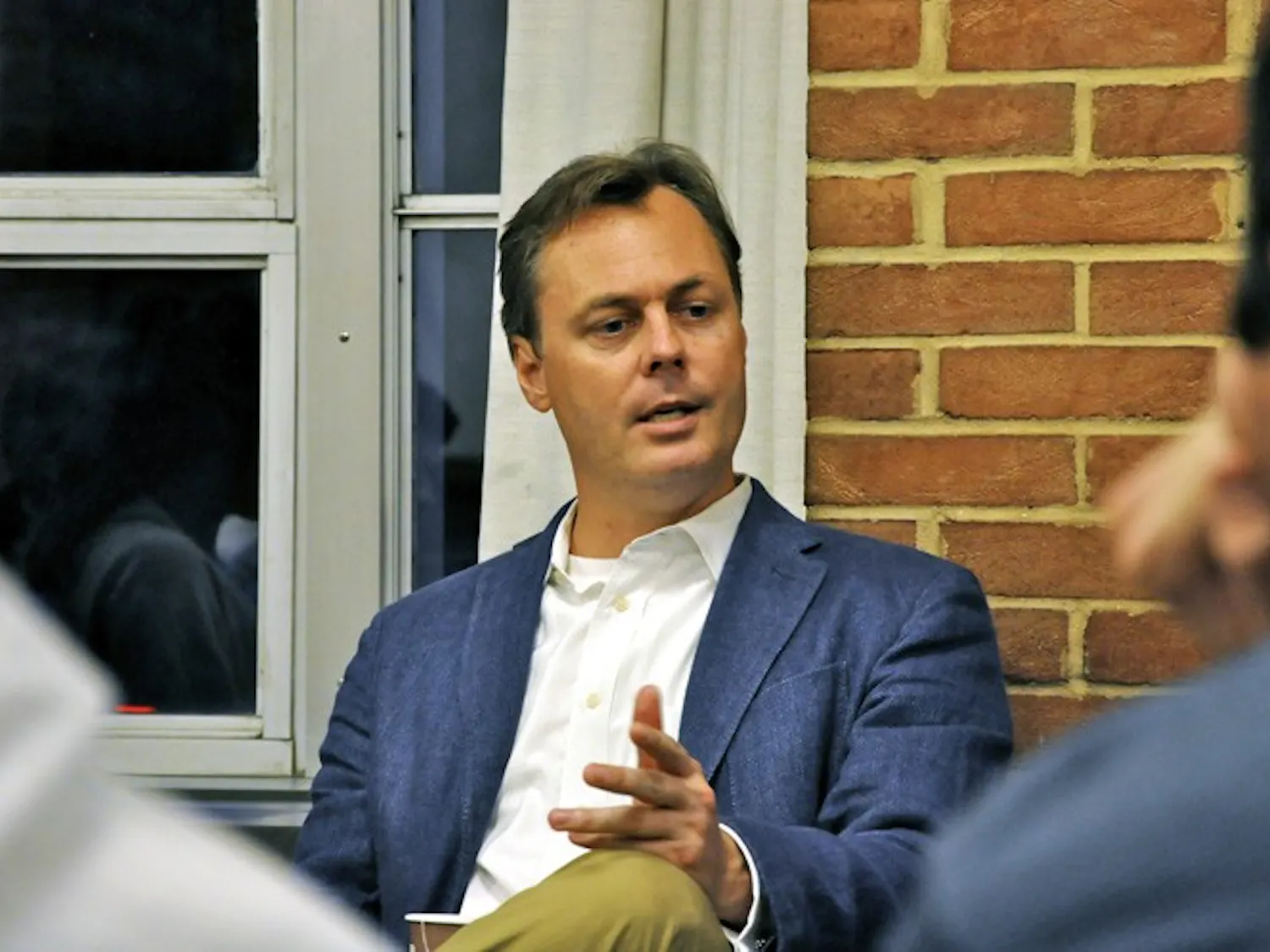
As the AU President’s Chief of Staff, David Taylor has the ability and experience to cover a lot of bases.
The University amended its policy for dealing with sexual assault on campus by expanding definitions and using stronger language to discourage sexual assault.
Definitions of rape, stalking, sexual assault and sexual harassment were added to the definitions section of the conduct code.
Administration and Local News Editor Stefanie Dazio outlines how changes to the Student Conduct Code will specifically affect the University.
Metro riders could still be allowed to exit the Metrorail system with a negative balance on their SmarTrip, despite an announcement made late last month by Washington Metropolitan Area Transit Authority that said negative balances would soon no longer be allow
AU’s senior cadets in the Reserve Officer Training Corps will find out Oct. 20 what section of the Army they will join after graduation, after undergoing the Leadership Development Assessment Course this summer.
The AU College Democrats and College Republicans both have many plans for expanding their groups on campus and becoming more involved with the D.C. community, starting with the National Day of Service and Remembrance on Sept. 11.
The feminist and social activist will speak on campus Oct. 5 as part of the annual Breastival.
The SG's Community Service Coalition is the first collegiate organization to use the system, developed by an AU alumnus.
Senate candidates can now spend $60 on campaigns — up from $50 — and executive candidates can now spend $300 — up from $250.
Students will soon be able to access information about the location of the AU shuttle buses online and from their cell phones.
Chris Matthews, the MSNBC host, spoke in Bender Arena Tuesday night, saying excessive partisanship "disrupts the system." Matthews, the Kennedy Political Union's first speaker of the year, was a political aide before entering the world of journalism.
The seventh annual CIVITAS week begins Monday.
Senate candidates can now spend $60 on campaigns — up from $50 — and executive candidates can now spend $300 — up from $250.
A group of students unveiled a new initiative aimed at getting AU student representation on the local Advisory Neighborhood Commission.
The first Student Government quarterly financial report of the 2010-2011 fiscal year was released last week.
Students and staff of AU filled about half of the 100 chairs set up in Mary Graydon Center rooms 4 and 5 for the town hall meeting Thursday night to express complaints, concerns, comments and questions regarding “wonk.” Many students said they thought there was a lack of input from undergraduates in the creative process of the campaign, and others said the university chose to allocate funds inappropriately when endorsing this initiative.