
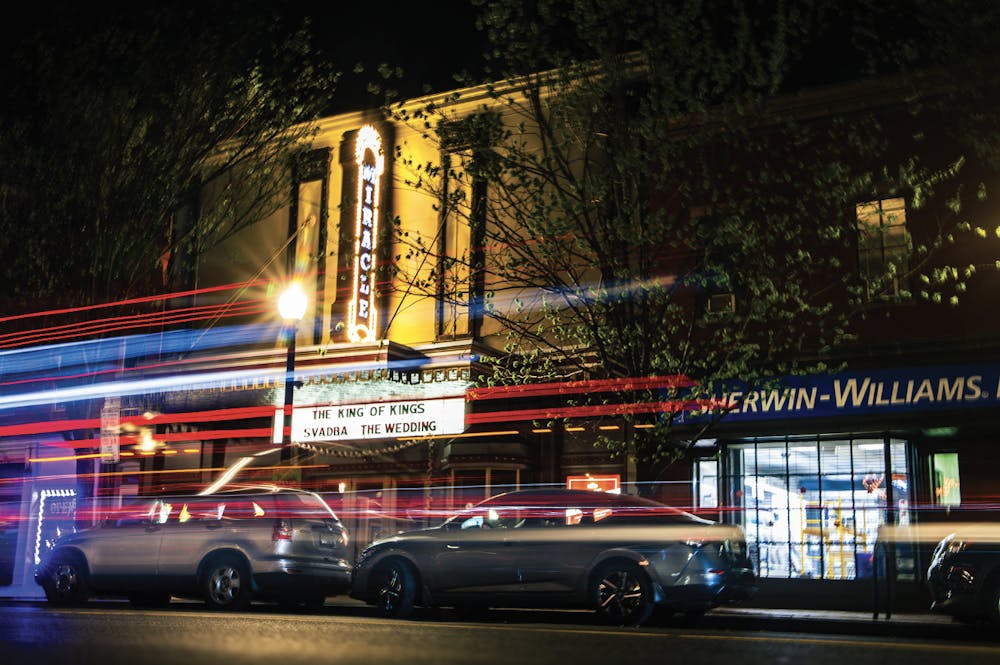
The bright, shiny screens, the smell of buttery popcorn and candy-smuggling that defined the pre-COVID movie era is nostalgically remembered in 2026. Still devastated by the COVID-19 pandemic, even 2023’s smash-hit phenomenon of “Barbenheimer” couldn’t fully restore the industry to its pre-2019 vitality.
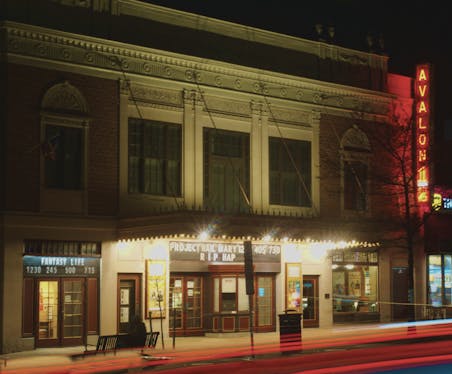
The impacts of the pandemic are felt hard on the silver screen, even locally in the D.C. area. In 2025, the iconic E Street Cinema downtown closed its doors, sparking widespread sorrow among the local film-buff community.
Filmmaker and AU professor Claudia Myers has seen the erosion of local movie theaters continue to take a toll on D.C’s arts community.
“I grew up in Paris,” Myers said. “And going to the movies was always kind of a family outing. I have wonderful memories of ‘Lawrence of Arabia’ (1962) and ‘Some Like it Hot’ (1959).”
During her years as a filmmaker, Myers has witnessed the decline in movie theaters’ popularity and attendance.
“There’s no question that the landscape of film distribution has changed dramatically in the last 10 years,” she said. “As someone who lives in D.C., the erosion of small, independent movie chains is very visible.”
Although E Street Cinema is one of the most well-known movie theater casualties from the COVID-19 pandemic, the Uptown Theater, once D.C.’s oldest and largest movie theater, shut down in March of 2020.


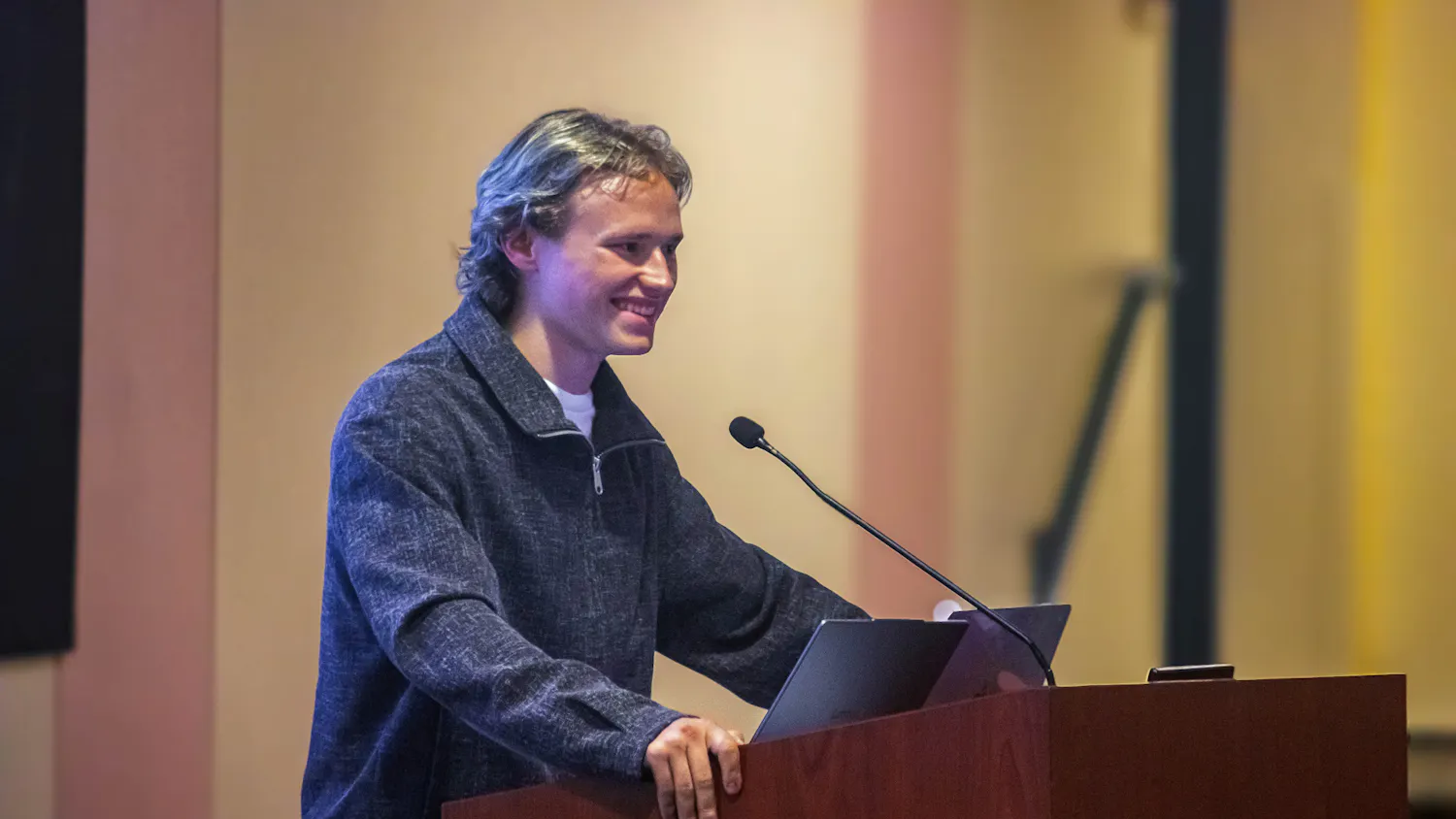
In spite of these closings, Myers still has hope.
“I hesitate to say that movie theaters are dead or dying,” she said. “I think they're struggling. I think people are exploring different methods of movie-going.”
While some might dislike the streaming system, Myers believes it has its benefits, even if some films are being made for shorter attention spans.
“I think there are some really beautiful, powerful, interesting stories being told. So I don’t view it as an either/or,” she said.
Myers sees streaming as a way to empower smaller filmmakers, offering previously hard-to-come-by reach and exposure. One of Myers’ own movies, “The Bad Guardian” (2024), originally made as a TV film, was recently added to Netflix and quickly reached the platform’s top 10 films.
Sky Sitney, co-founder and festival director of DC/DOX film festival and Film and Media Studies professor at Georgetown University, feels similarly about the possibilities of streaming services.
“I think that streaming, on the one hand, [perceptually] has a kind of infinite amount of space,” she said.
Despite this, Sitney discusses how, while it seems there is infinite content, there is a company that decides what reaches streamers.
“The reality is [that] it’s not truly all content. They, too, have to navigate a lot of complex decision making, some of it being very political.”
Sitney said that with this, the lack of theater traffic in favor of streaming is not only a COVID-resultant problem. Sitney said that it was exacerbated by lockdown, but that technological advancement in film would one day lead to fewer theater-goers.
“That’s been essentially part of the industry since the day it started,” she said. “You know, one could look at the origin of the VHS tape, video stores, cable, and then streaming.”
In terms of revitalizing the theater industry, Sitney is unsure of the best avenue for independent venues. She ponders the idea of independent theaters moving to non-profit and philanthropic models to maintain funding while still showing niche or foreign films.
“That’s an interesting kind of model, but that’s not easy,” she said. “And certainly there’s a gutting of any kind of government support that might have come in the past from the National Endowment for the Arts.”
Myers, though, believes that reviving the in-person movie theater industry starts with small contributions from patrons. She believes that something can be done to help reignite them, even if it is just buying a ticket for an evening showing at these independent theaters.
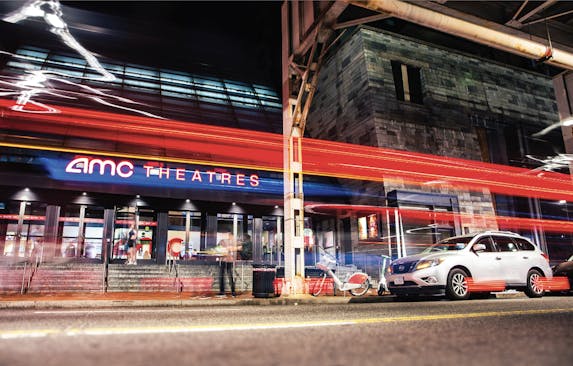
Movie theater culture does still exist in D.C. Alamo and AMC theaters around the DMV in Arlington, Georgetown and Brentwood hold $5 movie nights on Tuesdays, and the independent Suns Cinema still holds its own in Mount Pleasant. The Kennedy Center also occasionally holds showings of classics on its REACH lawn.
“I think it is really important for people who care about seeing films in theaters to really walk the walk and support those theaters [by] buying tickets and going to see the movies that are showing in the few independent movie theaters that remain in D.C,” Myers said.
This article was edited by Alfie Pritchard, Jessica Ackerman and Walker Whalen. Copy editing done by Avery Grossman, Ryan Sieve and Ava Stuzin.
