
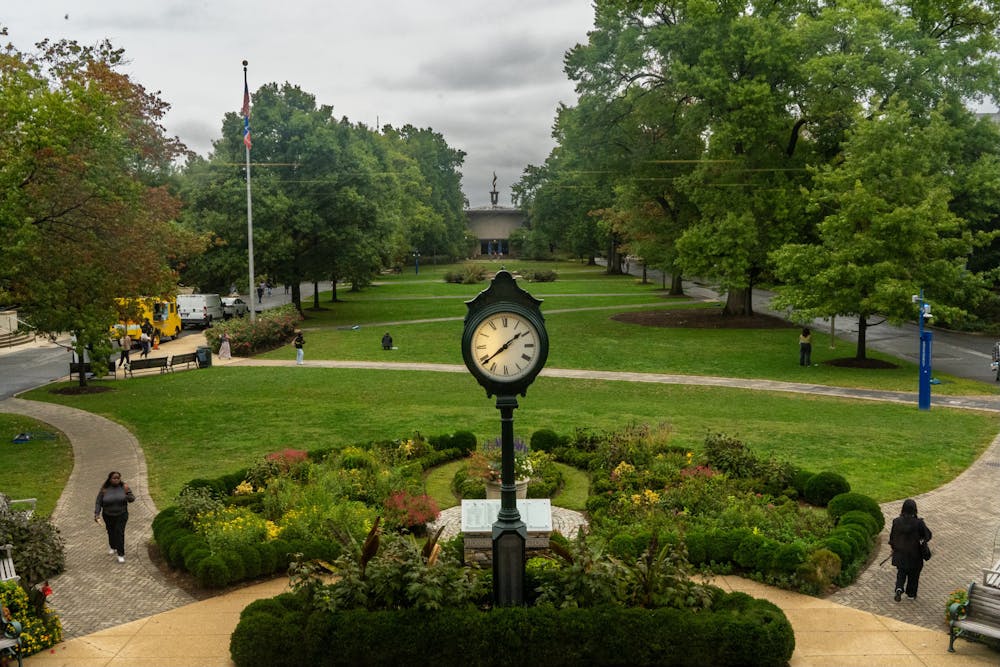
A number of non-exempt hourly workers at American University were allegedly uncompensated for off-the-clock work during the past four years, according to an October 2024 settlement between the University and the D.C Attorney General’s Office.
Workers in the School of Public Affairs, School of International Service, Washington College of Law and the Academic Support and Access Center, as well as WAMU 88.5 “performed off-the-clock work without compensation”, according to the settlement. Non-exempt employees are entitled to protections under the Fair Labor Standards Act, including overtime pay.
The University, which denied any wrongdoing in the settlement and did not respond to The Eagle’s request for comment, was ordered to pay $50,000 in penalties to D.C. and to establish a restitution fund of $210,000 for eligible workers, according to an OAG press release. The settlement also requires the University to pay non-exempt workers for all hours worked going forward.
The attorney General of D.C., Brian Schwalb, announced the settlement in February as one of seven regarding worker’s rights violations.
“Especially at this time when affording the costs of living is so challenging, these settlements help put District workers’ hard-earned money back in their pockets where it belongs,” Schwalb said.
Lack of compensation for overtime pay violates D.C’s Minimum Wage Revision Act, D.C Code 32-1001, and Wage Payment and Collection Law, D.C Code 32-1301.
Eleanor Sciannella, co-chair of organizing for the University’s Staffing and Reps Committee, said in an interview with The Eagle that although the University doesn’t want employees to work more than their allotted hours, staff may work overtime due to high workloads – made larger by understaffing and frequent turnover rates. Scianella emphasized that the failure to pay overtime is “mismanagement” on the University’s part.
“It’s a misallocation of resources in terms of funding for staff positions, and funding for the hours that are necessary to get the level of work done,” Sciannella said.
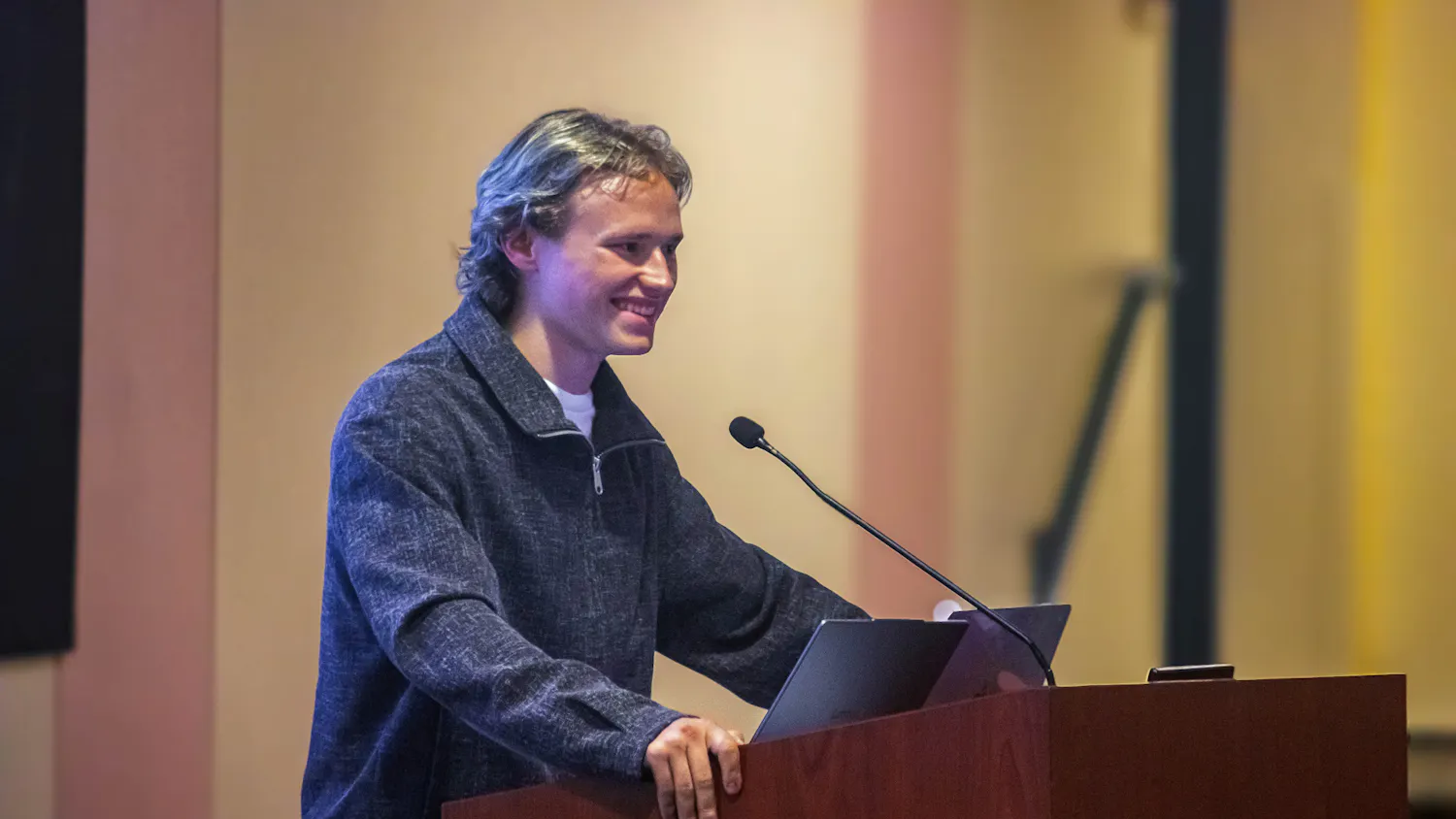

Although this settlement covers alleged worker’s rights violations from 2020 onward, incomplete compensation was a problem before then, according to Leila Hernandez, a Customer Care Specialist at the University’s Career Center.
Hernandez was a Recruitment Coordinator in the SOC Graduate Services Office between 2014 and 2019. Due to the nature of her role, Hernandez often hosted and attended recruitment events outside of normal working hours.
However, Hernandez said her supervisors told her to never put more than 35 hours worked on her weekly timesheet, excluding evenings and weekends, which was when a large number of these events were held. When she went to then SOC Dean Jeffery Rutenbeck with questions, Rutenbeck told her to keep listening to her supervisors.
“I just accepted it. I didn't even think to question it,” Hernandez said. “And then, over the years, especially after becoming a union member and learning more about fair wage practices, I realized how toxic and unfair that practice was.”
During her experiences with wage theft, Hernandez said, American University didn’t have a staff union, nor fair wage training for employees. But her experiences in SOC left her with the hope that under a union, no employee would have to put false information on their timesheets.
“If an hourly employee is at work from 9 a.m. until 8 p.m. at night because of work and then an evening event [...] their time sheet should always reflect reality,” Hernandez said.
Sciannella said that while it’s satisfying to celebrate the wins in the struggle for fair pay, members of the staff union know to stay vigilant given past experiences with management.
“I do expect to hear cases about wage theft in the future,” Sciannella said. “It’s important for folks to know what it is and what our rights are when it comes to getting paid.”
The University has not put out a press release on the settlement, although the Washington Post reported on March 4 that the University would release a statement that same week.
OAG told The Eagle in an April statement that they will continue to work with the University to ensure compliance with the District’s wage-and-hour laws. Schwalb wrote in February that his office is committed to D.C. workers in every industry, including higher education.
“The District has enacted some of the strongest worker protection laws in the country, but the laws do not enforce themselves—and we will continue fighting to ensure all DC workers receive the wages and benefits they earn and that all law-abiding businesses can compete on a level playing field,” Schwalb wrote in the February press release.
This article was edited by Cara Halford, Abigail Hatting and Walker Whalen. Copy editing done by Sabine Kanter-Huchting.
