
On July 1, 2026, new regulations regarding federal student loans went into effect, establishing lifetime borrowing limits for undergraduate and graduate students and their families.
The One Big Beautiful Bill Act (OBBBA), an extensive piece of legislation that modifies many social service regulations, creates a legacy system for federal loans that determines whether students will be impacted. A student qualifies as “legacy” only if they have been enrolled in and accepted federal loans before July 2026, without any breaks in their education. Students will only qualify for legacy loans for up to three years or the completion of their undergraduate degree; whichever is shorter.
“If a student for instance, takes a leave of absence in the fall, then unfortunately that breaks legacy, and they’re no longer going to be eligible for the legacy provisions,” Shirleyne McDonald, American University’s director of financial aid communication and service, said.
These changes come in the midst of a national rise in student debt, which reached a total of $1.8 trillion with over 42 million borrowers in 2026. While federal loans previously had limits, OBBBA establishes lifetime limits for students and parents that span a student’s entire educational career, not just their undergraduate program.
“I want to go to law school after this. I want to be a lawyer, and law school obviously is super crazy expensive,” Maryam Abdulazeez, a sophomore in the School of International Service, said. “If I don’t get enough scholarships, I’m going to have to apply for loans. If I don’t get all the loans I need, there’s no way for me to pay for college.”
Additionally, the bill overturns the Biden administration’s Saving on A Valuable Education (SAVE) repayment plan, an income-based loan repayment option. In a press release, the Trump Administration stated that SAVE resulted in low monthly payments. The Department of Education’s Under Secretary, Nicholas Kent, called the plan an “illegal student loan bailout agenda.”
“Congress, I believe, has its goals and objectives [for changing the regulations], and part of which I think was to minimize federal spending,” McDonald said. “The belief is that by limiting the amount people can borrow, you’ll be limiting debt.”
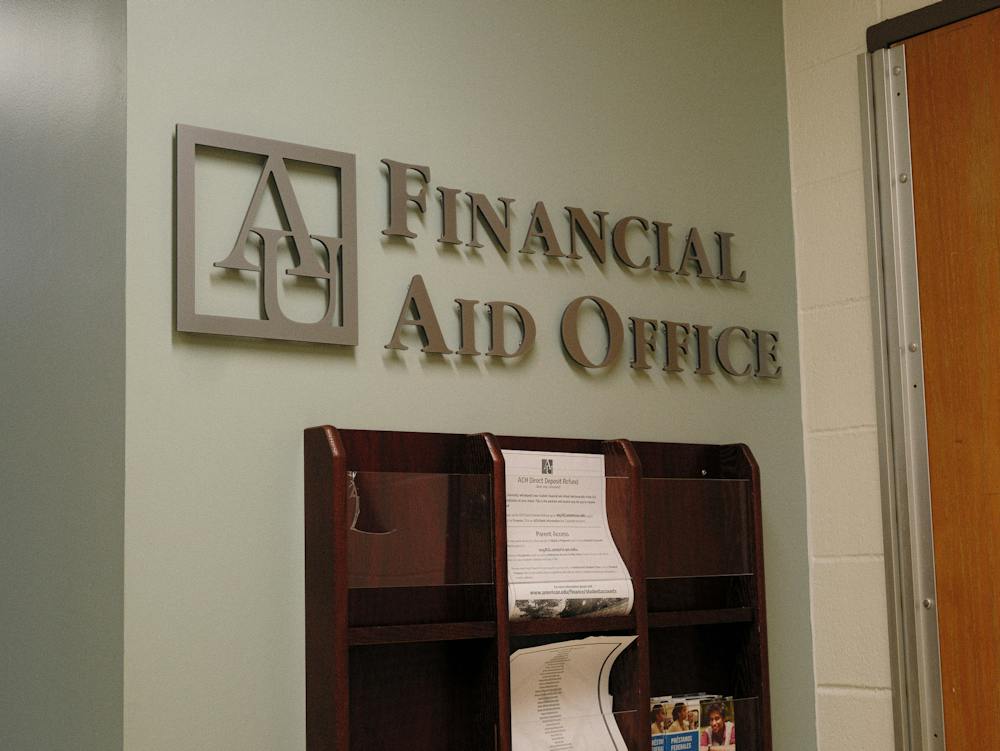
McDonald says that the University’s longer wait periods to receive assistance from the financial aid office are due to the more extensive OBBBA rules they now need to take into consideration.



“We’re trying to ensure that people have a greater understanding around … the new rules and parameters that we have to administer aid around,” McDonald said.
However, for Abdulazeez, receiving help with her federal aid after her financial situation changed was imperative in her continuing her education at the University.
“My first year at AU was so expensive, and I could barely even afford it … I almost had to drop out for this next semester,” Abdulazeez said. “I have two little brothers, and they obviously want to go into college later and [the new regulations] will definitely affect the amount of loans they can take out.”
This article was edited by Ella Altman, Cara Halford and Gabrielle McNamee. Copy editing done by Avery Grossman, Mattie Lupo and Jaden Maitland Anderson. Fact-checking done by Luca Palma Poth.
admin@theeagleonline.com
