

About every other week, the Birders of American University go birdwatching at Battery Kemble Park.
“Every time we’ve gone, we see something new, and that’s sort of the beauty of it,” club president Dante Arminio said. “I think D.C. is a really unique place, because it’s sort of in the midst of everything, and you can always see something different no matter the season.”
Arminio and the Birders observe millions of birds that fly through D.C. every year. D.C. lies between many different bird migration cycles; Arminio explained the area is home to not just year-round cardinals, blue jays, goldfinches and mockingbirds, but also seasonal birds like summer carnages, an array of different types of warblers and more.

While migrating through D.C., birds often face challenges. Bird strikes and injury from physical obstructions are common. Chris-Ann Burton, the communications director for a local wildlife rehabilitation center called City Wildlife, said window collisions can kill billions of birds each year.
Arminio said AU’s Hall of Science is a frequent place for window collisions, as it is essentially a big glass pane.
But local organizations have stepped up to help. Prior to City Wildlife’s opening in 2013, there were no wildlife rehabilitation centers in D.C. A statement on their website said many injured animals in the District were unable to make the journey to the nearest wildlife rehabilitation center that was an hour away.
Burton said City Wildlife gets around 3,000 calls per year. Though birds victimized by window collision and house-cat attacks are their most frequent patients, they also treat local wildlife like squirrels, reptiles, amphibians and rats.

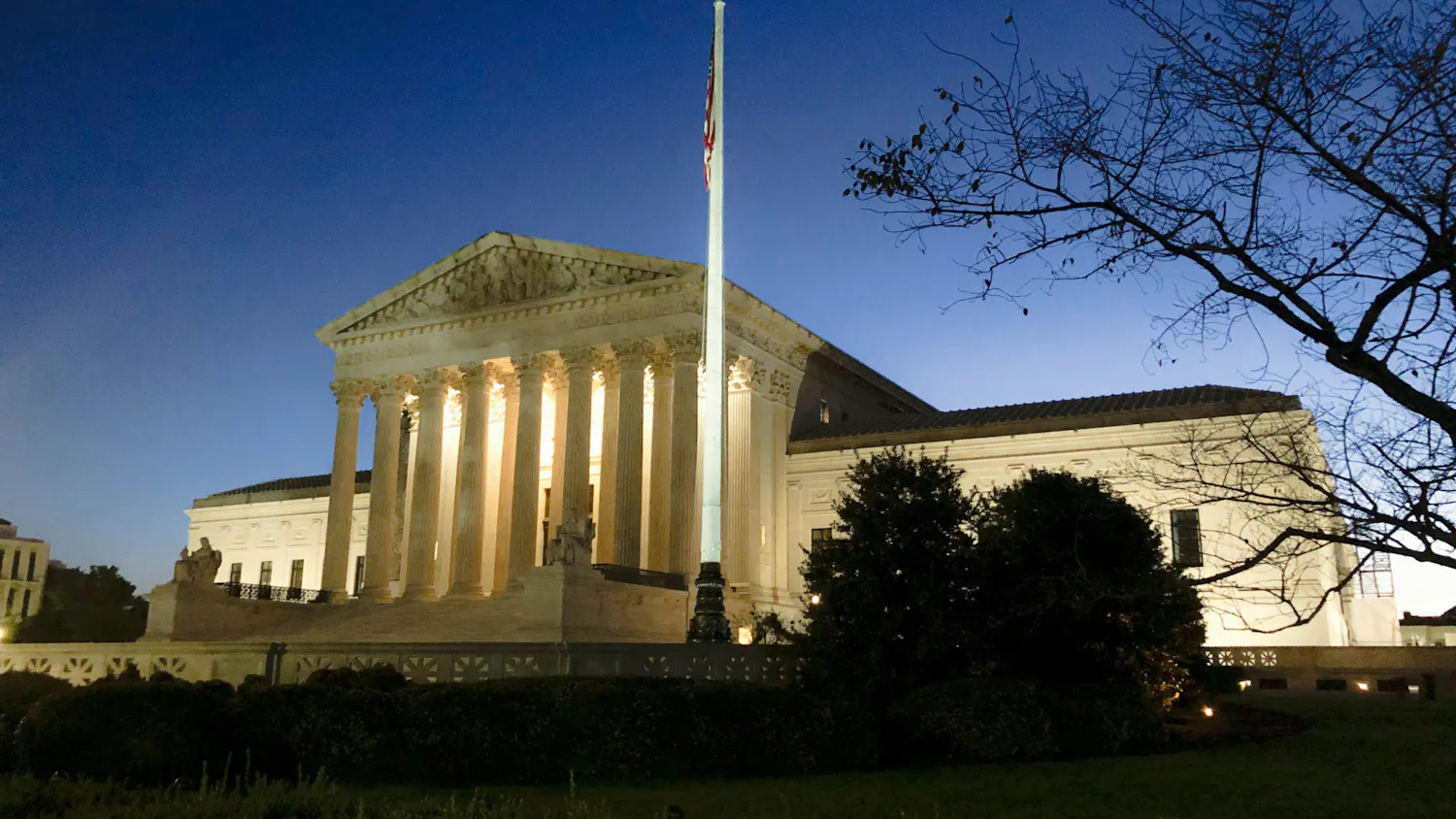
There are also advocacy groups to mitigate window collisions. Nature Forward has dedicated itself to environmental advocacy and educating the D.C. community in the early 1900’s. Jamoni Overby, a D.C. conservation advocate for Nature Forward, said that they partnered with City Wildlife in 2022. In collaboration with City Wildlife’s Lights Out D.C. program, the organizations worked together with D.C. Council members on the Migratory Local Wildlife Protection Act, which was unanimously passed on Jan. 26, 2023.
Also known as the Bird Safe Buildings bill, it called for remodeling of buildings in D.C. to “incorporate bird-friendly measures to reduce the increasing number of bird fatalities caused by glass,” as reported by Overby. Measures included certain glass treatment products to prevent collisions.
Arminio said he understands the importance of conservation and advocacy work, given the community he’s found in a group brought together by local wildlife.
“I think it’s really our responsibility to protect all the species, especially as they migrate,” he said.
Copy Editing done by Sabine Kanter-Huchting, Arin Burrell, Paige Caron, Ariana Kavoossi and Andrew Kummeth.
