
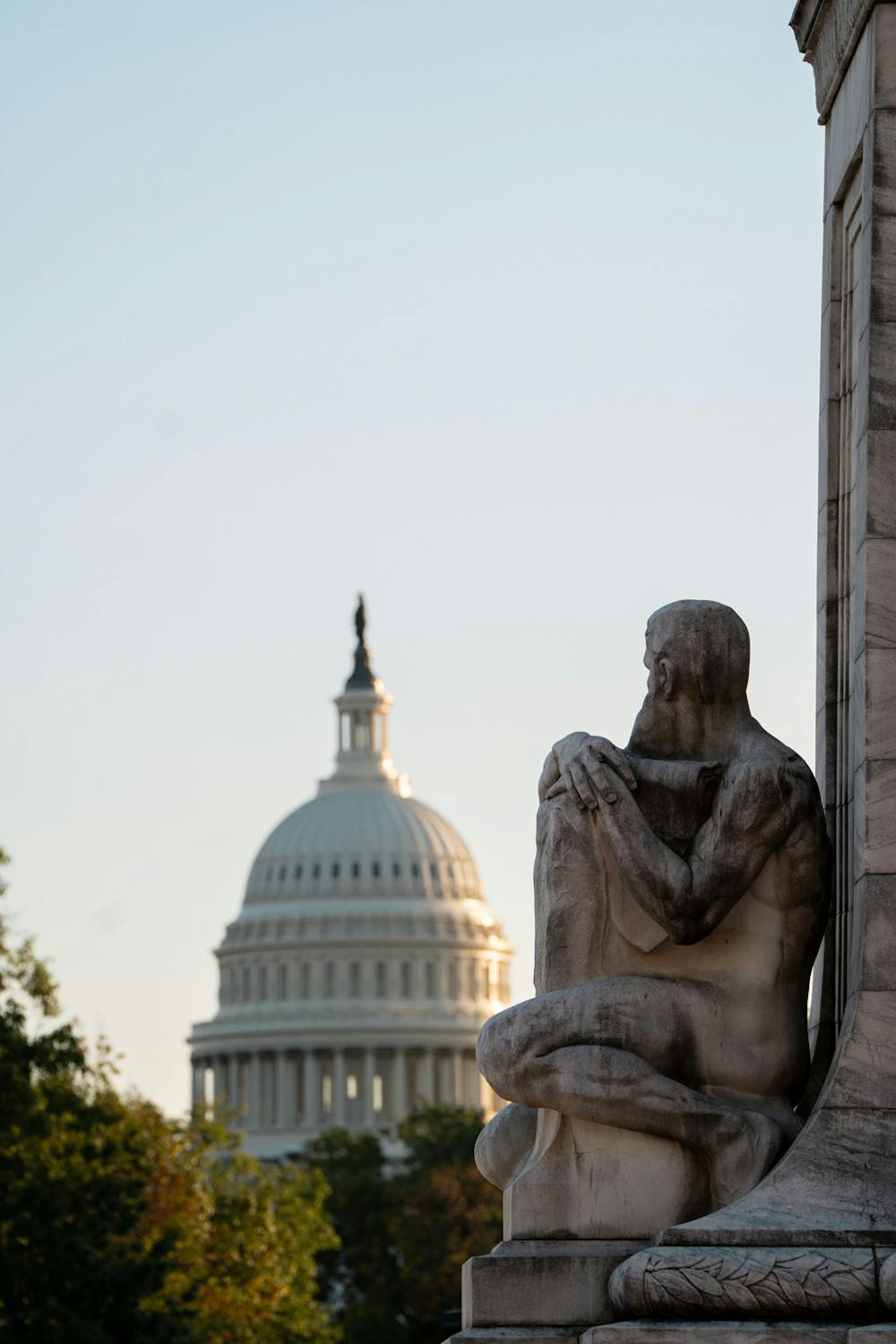
Students and faculty at higher education institutions, such as American University, were impacted by the government shutdown that began on Oct. 1. The shutdown left many government services suspended, placed around 670,000 federal employees furloughed, and eliminated internships and other professional development opportunities for students.
Frustrations in the AU community grew as a result of the government shutdown, with students feeling the loss of access to museums and experiencing changes to federal internships and jobs, while some faculty were forced to modify planned class excursions.
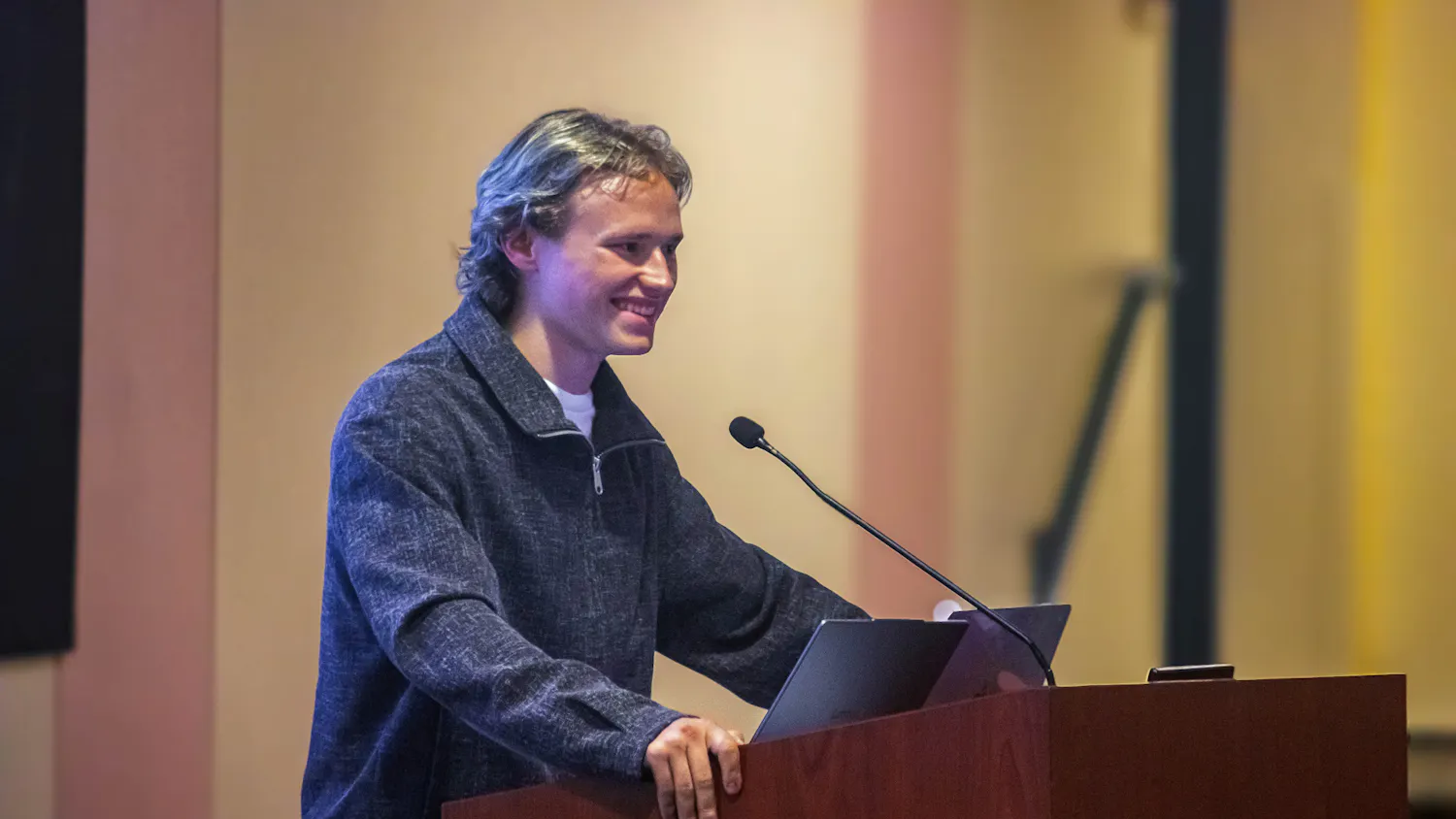
AU College Democrats have been vocal about the impacts felt at the University as a result of both the deployment of National Guard troops and the government shutdown. Anna Livingstone, president of the organization and a senior in the School of Public Affairs, said professional and educational opportunities were limited by the shutdown.
“Students felt the effects immediately, we’re interns all over the city,” Livingstone said. “Research is being impacted too [...] all the reasons we come here to D.C. have been grinded to a halt.”
Diane Lowenthal, a professor in SPA, noted the disruptions to courses and planned experiences for students.
“My class was supposed to be going to the Pentagon in a couple weeks, and now they can’t go,” Lowenthal said. “Because they can’t even reserve going to the Pentagon because the office that takes the reservations is closed. They had reservations to go up to the Washington Monument. That’s been canceled.”
Many American University students have government internships or positions, with over 86 percent of undergraduates completing at least one internship before graduation. Due to the shutdown, some positions were suspended or altered significantly.
“When the government shuts down, sometimes interns have continued to come in, and have actually expanded duties while the paid staff were furloughed. But sometimes they’ve essentially been told they can’t come in. And either way, it’s not the learning experience they signed up for,” Lowenthal said.

Livingstone said it felt like the shutdown was an added stress to the stresses D.C. is already facing.
“People are feeling it and definitely talking about it. I’m hearing about it from members when we have phone banking or canvassing a lot,” Livingstone said.
American University student families are also likely feeling the shutdown’s effects.
“We have kids from all over the world, with different backgrounds, their parents could be federal workers or in the military, and now their whole families are facing so much uncertainty,” Livingstone said.
Sarah Aghazadeh, a professor in the School of Communication, said that the sense of community on the University’s campus has felt diminished.
“I would say it’s just kind of a general feeling of fatigue that I just get from everyone,” Aghazadeh said.
The government shutdown also impacted what AU students do in the city. The Smithsonian museums and National Zoo are closed, along with the Library of Congress, National Gallery of Art, and more.
Ashley Stangel, a freshman in SPA, said the closure of the Library of Congress was especially unfortunate to her.
“I wanted to go take pictures in the city the other day with my camera. I really wanted to go to the Library of Congress, but everything was shut down; it was really sad,” Stangel said.
Most national media sources are focusing coverage on the division between Republican and Democratic politicians, with limited stories about the general public impacts in D.C. specifically, Stangel said.
“I’m noticing a lot of blame on both sides,” Aghazadeh said.
“I think the media moved on from how the people of D.C. are being impacted really fast. It was a really big deal and was much more heavily reported on when it first happened, and now it feels it’s settled down a bit,” Stangel said.
This article was edited by Cara Halford, Samantha Skolnick, Abigail Hatting and Walker Whalen. Copy editing done by Ariana Kavoossi, Sabine Kanter-Huchting, Avery Grossman, Audrey Smith and Ava Stuzin. Fact-checking done by Aidan Crowe
administration@theeagleonline.com and features@theeagleonline.com
