
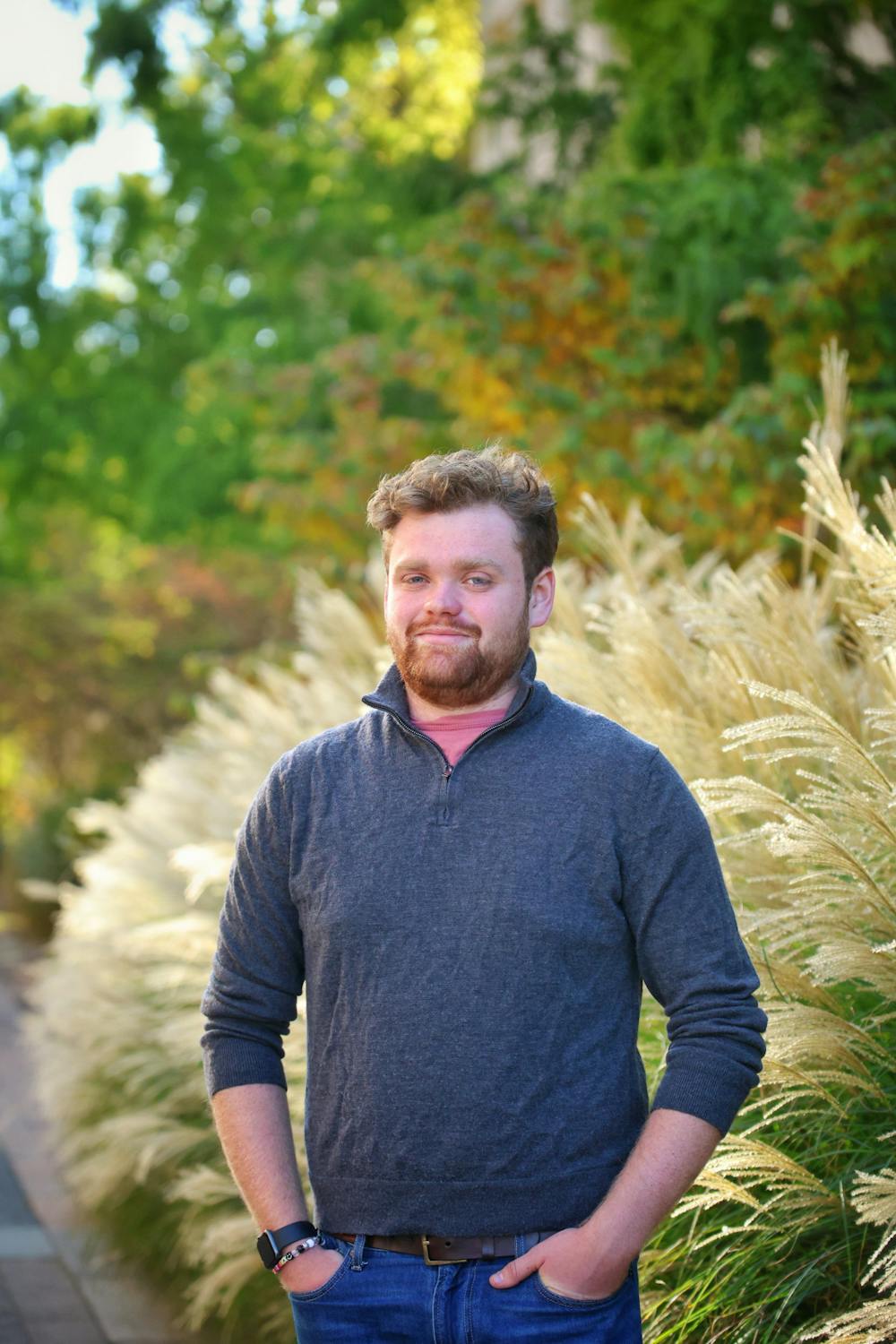
At just 13 years old, Ethan Sonneborn made Vermont history as one of the youngest gubernatorial candidates in the country. Eight years later, he reflects on the campaign that started his political career.
Sonneborn’s decision to run for governor stemmed from his growing frustration with the state of politics at the time and his desire to make a difference rather than watch from the outside. With influence from activist leaders such as Martin Luther King Jr., Sonneborn said he felt a sense of purpose tied to the possible change he could inspire. However, stepping into the demanding statewide political election was far from easy.
Vermont has no state law setting a minimum age to run for governor, which allowed Sonneborn to officially appear on the ballot. Although his age drew attention to his campaign and publicized his message, such as through a CNN article and more, there were also setbacks that forced him to prove himself capable and serious due to his age.
“Being so young was definitely a double-edged sword. There was a lot of skepticism,” Sonneborn said.
He depended on the support of his family and friends throughout his campaign, without whom, running at such a young age and achieving what he did would have been impossible, he said.
Sonneborn centered his focus on stronger gun control measures, especially following the Parkland school shooting in 2018, which opened his eyes to the need for stricter regulations. He also advocated for reduced administrative spending in schools so more funding could go directly to classrooms, and strived for greater efforts to end child poverty in Vermont, emphasizing that no child should grow up without opportunities or support.
During the campaign, Sonneborn traveled throughout the state of Vermont, meeting people from all backgrounds. It was through these interactions that he said he gained a better understanding of the challenges within his state, teaching him the importance of truly listening to others.
Over time, he recognized that politics wasn’t exclusively about policies or winning elections; it was about the people and putting in the effort to make them feel valued and heard.


“For me, the campaign was definitely an enlightening experience,” Sonneborn said. “I talked to all sorts of people and heard so many perspectives; people who were doing really well in Vermont and people who were struggling.”
He visited many small towns in the state, not just to talk, but also to listen. In conversations with family farmers on the brink of foreclosure and Somali immigrants in Winooski trying to build new lives for themselves, Sonneborn said some communities felt forgotten.
As a teenager, he said he was still quite sheltered. Meeting people with struggles so different from his own provided him with a clearer and new view of the world. It was those experiences that made him more empathetic and more determined to use his growing platform to make others feel heard.
“Politics has taught me lessons I carry into the rest of my life,” Sonneborn said. “One is the importance of making people feel like they matter, talking to them like you really care about what they have to say.”
He also learned the value of hard work. Toward the end of the campaign, when the schedule became especially demanding, his long days often revolved around community events, interviews, and long drives across the state. Sonneborn said it taught him to put in the effort and follow through when fighting for something, a mindset that continues to guide him at American University.
Running for governor, especially at 13 years old, changed Sonneborn’s outlook on leadership and gave him a deeper understanding of the people behind politics. What began as an effort to confront his frustrations with systemic problems in government soon became an opportunity to understand what genuine leadership meant.
“Being able to go to a tiny town of 50 people in northeastern Vermont and say, ‘I’m listening to you, I hear you and I’ll do my best in state government to fix the problems you’re facing,’ that was very gratifying for me, and hopefully impactful for them,” Sonneborn said.
Even now, as a senior in the School of Public Affairs, Sonneborn said he still feels the same frustration about the state of politics that he felt as a teenager as he watches the division continue to grow.
One of his professors, Gregg Ivers, noticed this passion and determination in the classroom. Teaching as a professor of government at the University for the past 36 years, Ivers has encountered many politically driven students with high aspirations, but few with Sonneborn’s authentic perspective.
“Ethan strikes me as somebody who isn’t doing this for any kind of personal glory or fame,” Ivers said. “He’s doing it because he thinks he can genuinely improve the world he lives in, and that’s a good thing.”
Ivers said it is Sonneborn’s ability to balance ambition with humility that makes him stand out, along with his strong work ethic. Sonneborn’s down-to-earth nature reflects a type of leadership that revolves around genuineness and empathy, making people feel valued and heard, according to Ivers.
“I suspect what will make him successful, and he will be successful, is his ability to connect with regular people, because he just seems like a very regular guy who can connect with regular people,” Ivers said.
Just like in 2018, Sonneborn said he still believes in the responsibility everyone shares to help create the kind of society they want to live in, although he has no plans to run for governor in the near future. Nonetheless, he said that frustration can be turned into motivation. To him, change begins with participation.
“The beautiful thing about democracy is that we get to decide our future,” Sonneborn said. “If you can’t stand your elected officials, if it makes you want to disengage altogether, then maybe try to beat them before you give up on the system entirely.”
This article was edited by Samantha Skolnick, Abigail Hatting and Walker Whalen. Copy editing done by Sabine Kanter-Huchting, Emma Brown, Avery Grossman, Audrey Smith and Ava Stuzin.
