

The following piece is an opinion and does not reflect the views of The Eagle and its staff. All opinions are edited for grammar, style and argument structure and fact-checked, but the opinions are the writer’s own.
As a senior, I am excited about the world ahead of me after graduation this fall. Almost everything I have worked for up until this point has been leading to the moment when I receive my diploma. I will even finish my degree a semester early. But sped up by my early graduation are the questions asked by my friends, coworkers, professors and especially my parents: “What are you going to do after college?”
Before this year, I would’ve responded, “Try my hardest to find an entry-level job and then go to graduate school in a few years.” However, the sweeping layoffs, increased market imbalances and future policy implementations of the new Trump administration have shifted countless post-graduate plans. The recent classes of graduates, now including the class of 2026, face an unprecedented challenge: the worst job market for college graduates in over a decade, since the 2008 recession.
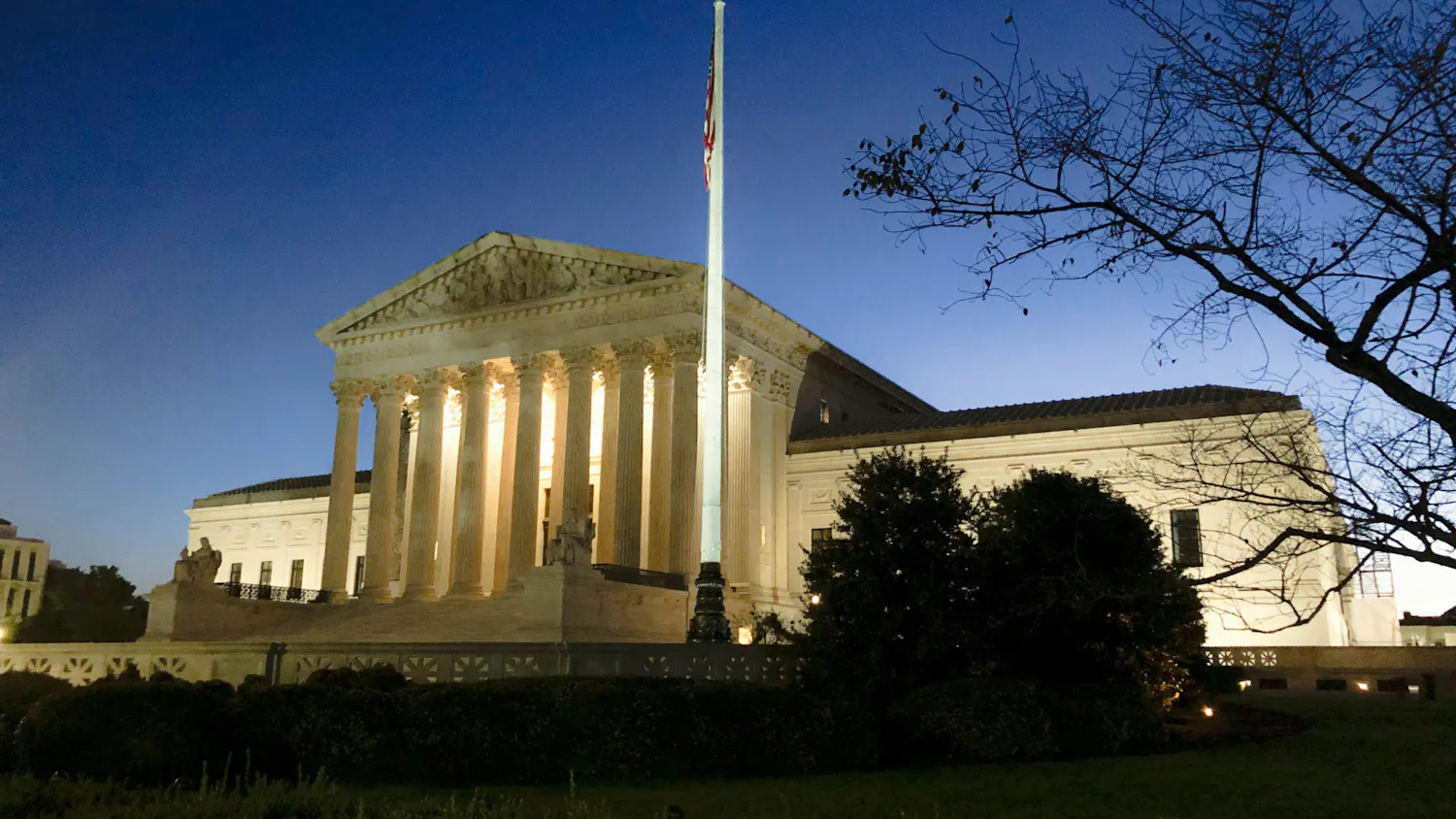
I’ve pivoted my plans and am now thinking about applying to graduate school first. But I’m not alone in this idea. In 2025, law school applications have increased by more than 20 percent since the 2024 cycle. Law school admissions expert Anna Ivey referred to this trend as the “Trump bump,” which represents a sharp increase in law school applications since Donald Trump took office for the second time. Graduate program enrollment has increased by 1.5 percent from spring 2024, totaling a 7.2 percent increase in enrollment since 2020.
The spike in interest in post-graduate studies isn't just political, it’s also economic. The unemployment rate for young degree holders aged 22 to 27 reached 5.8 percent in March 2025, above the national average of 4 percent and the highest it’s been outside of the pandemic in 12 years, as early-career hiring is often the first to be cut when economic uncertainty rises.
Heavily contributing to the cut of the entry-level field is the growing impact of artificial intelligence, with it beginning to erode entry-level opportunities in fields like IT, finance, law and beyond. Entry-level positions are typically the easiest to automate or replace, as they require less tactical experience.
For many graduating seniors, this means post-grad plans are changing. Instead of diving into the workforce, more are opting to continue their education. This isn’t necessarily by choice, but by necessity. Graduate school is becoming less of an academic pursuit and more of a survival strategy in an unpredictable job landscape.
With all that being said, it is definitely okay to not know what to do next in this political and economic situation. My last semester is going to be different than any other, because waiting to start grad school is no longer the safest option.

However, I know I’m not alone — a lot of people I know who are graduating or have graduated also avoid eye contact and shrug when asked, “What’s the plan post-graduation?”
Students and those new to the job market face a political storm that is wreaking havoc on countless young people across the country. So, regardless of what any LinkedIn post tells you about “adversity through the job market,” just remember that things are different than before. So, give yourself a break and take some time to assess your options, or what remains of them.
Mari Santos is a senior in the School of Public Affairs and a columnist for The Eagle.
This article was edited by Quinn Volpe, Alana Parker and Walker Whalen. Copy editing done by Sabine Kanter-Huchting, Emma Brown and Ariana Kavoossi.
