
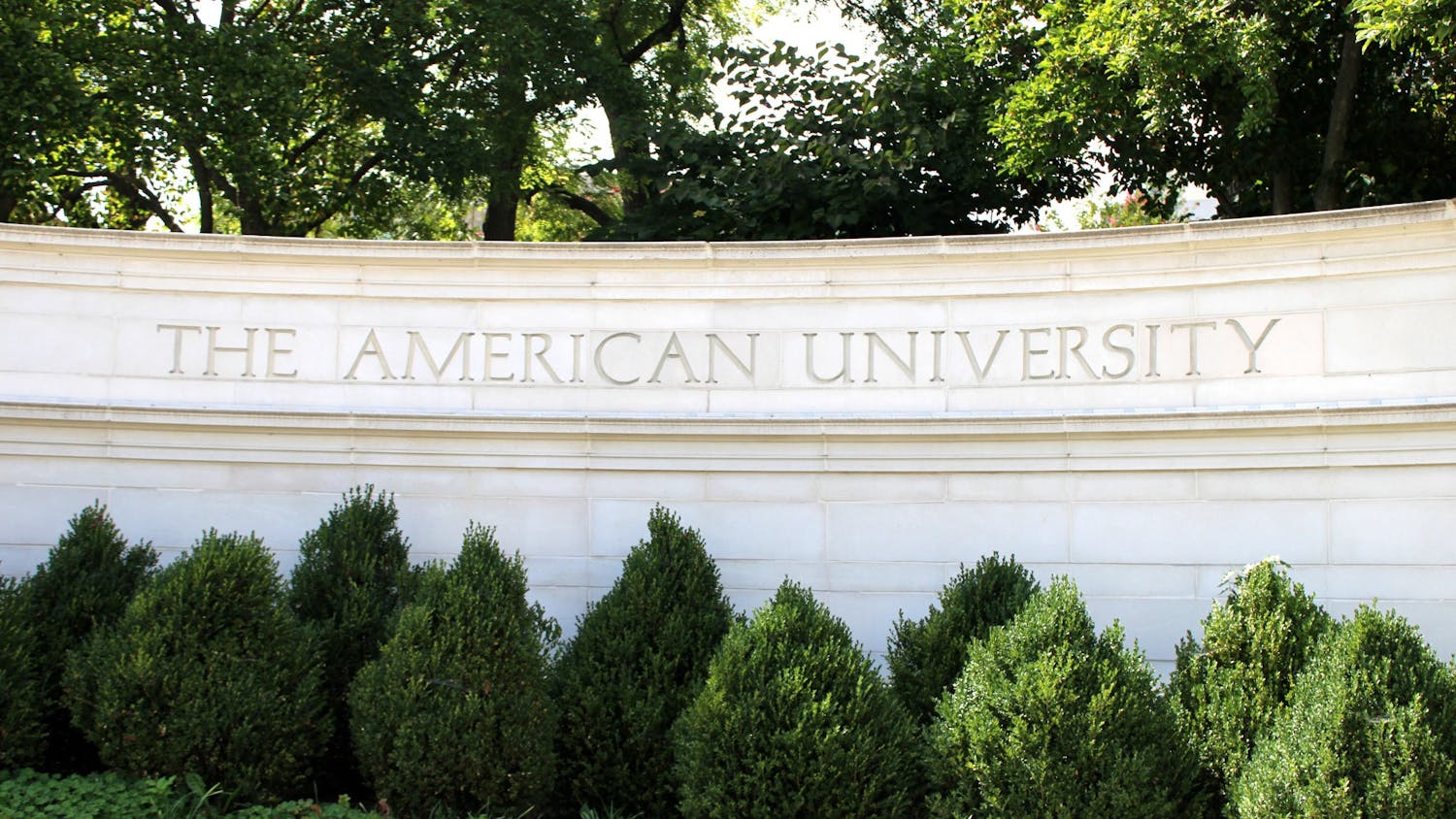
AU is monitoring the progress of the new GI bill that will go into effect in August, as well as financial programs aimed at helping veterans attend private universities, according to Financial Aid Director Brian Lee Sang.
The GI bill will cover undergraduate tuition and fees at a public college or university in the veteran's home state, according to the U.S. Department of Veterans Affairs Web site. The amount can also be applied to private schools or graduate programs.
In response to the bill, many private colleges and universities have joined the Yellow Ribbon Program, which will offer veterans extra financial support to attend their schools. The program will help veterans make up the difference between the schools' cost and the amount of money the government allotted, which is equivalent to the cost of an undergraduate program at the most expensive in-state public school, according to the VA Web site. Private colleges and universities can waive up to 50 percent of attendance costs, and the federal government will match the funds given by the schools.
AU has not yet joined the Yellow Ribbon Program, but it is closely monitoring its development, Lee Sang said. The entire university makes the decision to join the program, but Financial Aid is very interested in the program.
"We see it as an opportunity to help people access, for students and veterans who may be coming back home, and we want to be able to try to help," he said. "However, we are waiting for the final word from the Veterans Affairs Office."
Although the university does not currently offer scholarships specifically aimed at veterans, the group qualifies for a significant amount of financial aid, Lee Sang said.
AU has an "aggressive" financial aid program whether or not the university joins the Yellow Ribbon Program, said Dean of Students Robert Hradsky.
The Yellow Ribbon Program is an essential way to help veterans attend "out-of-reach" colleges, said Alex Murray, a graduate from the University of Virginia who served two tours in Iraq as an infantry officer with the Second Brigade, First Infantry Division.


"There is no better way for a grateful nation to repay the soldiers that served with me in Iraq than providing them with the opportunity to afford a college education ... something many of them could never afford otherwise," Murray said in an e-mail.
Not only do veterans have something to gain from the plan, but universities do as well, he said
"The Harvards, Princetons and American Universities of the country will greatly benefit from the unique and diverse backgrounds and experiences of veterans attending their programs," he said. "The Yellow Ribbon Program is certainly something AU should consider."
While the university deliberates the feasibility of implementing the program in the next year, some AU students have said they support the bill and its veterans.
"People in the military give so much and it's the least we could do," said Jenna Chodos, a second-year graduate student in the School of Communication. "They should be cared for as well."
She said she knew of a man who was a veteran and went to college under the GI bill. He ended up getting a master's degree and working for a veterans program at a university.
"[The GI bill] made a big difference to him," Chodos said.
Michael Nadler, a freshman in the School of International Service, said he supports the GI bill but does not have an opinion on the Yellow Ribbon Program.
"[Veterans] give up everything for this country and the least we can do is help them go to school," he said. "But I don't really care about the private versus public distinction."
In ancient Rome, soldiers would receive land and serfs in return for military service, he said.
"Here you get poverty and - if you're sick - no medical aid," Nadler said. "It's a funny distinction. It ruins your life, pretty much, to go to war, in more ways than it should."
You can reach this staff writer at landerson@theeagleonline.com.
